
Category: Ireland
-
From Sheerie to Jack-o’-Lantern—Luring Travelers to Death
Floating like greenish-gold or cerulean blue orbs over bogs, swamps, and marshland at twilight, water sheerie (SHEAR-ree) appear to be small children or pinky-sized faeries with lanterns. Sometimes murmuring a musical mewl, they entice lost or weary travelers to follow them to a warm, well-lit haven in the distance. But the sheerie never let unsuspecting…
-
The Changeling—Swapping Life for Life

Although found in many cultures, the Celtic changeling is a faerie that has been exchanged with a human child by other nefarious faeries. The motives for such a swap range from punishment, revenge, and jealousy to a complicated hoax in which the changeling is an elderly faerie who needs to live out his years in…
-
Kelpie Hauntings
Typically appearing as a strong, magnificent stallion or a gentle, lost pony, the kelpie was a malevolent shapeshifting spirit that haunted the lochs (lakes) and deep rivers of the Scottish Highlands. With the legendary strength of 10 horses and a wet, dripping mane, its tail crashed like thunder when it hit the water. The kelpie…
-
Banshee Legends—Keen on Death
My fascination with Celtic mythology began with the 1959 movie Darby O’Gill and the Little People. It wasn’t O’Gill’s obsession with the mischievous leprechauns that caught my attention. Nor was it the handsome Sean Connery, or even the pretty young girl who fell over a cliff—and for him. It wasn’t even the headless horseman who…
-
Frightful Fantasies of Irish Faeries
From banshees to vampires, frightful faeries comprise the mythology of both ancient and contemporary Ireland. Understanding Irish mythology begins with understanding the Celts and pre-Celts who inhabited the isolated island. When the Celts (also known as Milesians) arrived in Ireland between 500 and 300 BC from Central Europe, they found a diverse group of people…
-
Blackberry Pie
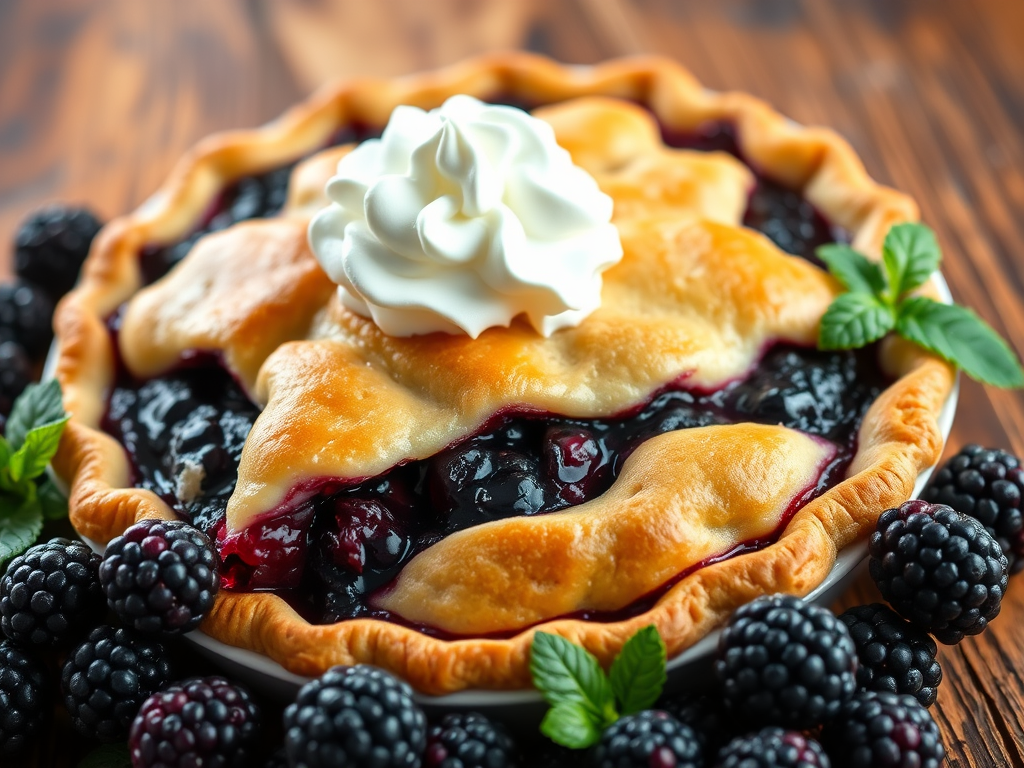
Come to think of it,wouldn’t you like some blackberry pie?Right now? Hi!Can I come byand make blackberry pie with you? Top it with creamand pack it with dreamsof succulence, decadence, merry?Your crust or mine,either is fine,As long as it’s filled with berries. Berries are fun.They soak in the sun.They ripen when we are not looking.Theirs…
-
Strong and Mysterious, the Alder Facilitates Transition
In the Celtic Tree Calendar, the Alder (or Fearn) Moon spans mid-March to mid-April. Coinciding with the spring equinox, the Alder Moon symbolizes balance and transition. The Alder month, called fairin by the Celts and fearnóg in Modern Irish, is represented by the third consonant in the ogham alphabet and comes from the Proto-Celtic **wernā.…
-
Hounded into a Story
As published in the Gazette, a publication of the Gulf Coast Writers Association, January 2025 Imagine a Celtic Karate Kid in a Percy Jackson adventure. The result is Hounded, a contemporary coming-of-age novel inspired by the legendary Irish warrior, hero, and demigod Cú Chulainn [koo KULL-an]. Written for a middle-grade audience, Hounded tells the story…
-
Samhain—Enduring Night of the Living Dead
With its ghouls, jack-o-lanterns, and trick-or-treaters shouting BOO, Halloween is the unadulterated descendent of Samhain, the ancient Celtic festival of the dead. Pronounced SOW (rhymes with cow) –in, the word comes from the Proto-Indo-European root word *semo- (summer), and the Proto-Celtic *samoni- (reunion, assembly). It literally means “an assembly to celebrate the harvest.” The Celts…